Journey to net zero
A groundbreaking report
by the
Royal Agricultural Society of England
The farm businesses of the future must optimise food production, farm profitability, the environment and people. The RASE Farm of the Future initiative, which is delivered in partnership with Innovation for Agriculture, identifies and shares agricultural solutions, technologies and practices which can help farm businesses, people and wider communities to thrive.
The Journey to Net Zero report has set out a vision for how farm businesses in the UK could maintain their primary purpose of food production while responding to the climate and biodiversity crises.
42
Life, the universe and everything.
42
Life, the universe and everything.
42
Life, the universe and everything.
42
Life, the universe and everything.
Journey to net zero
Key messages
Each section of this report puts forward a vision of how farming across the UK might adapt to the challenges posed by climate change.
Time for change
Meaningful change needs to be underpinned by science-based targets, new technology, innovation and working alongside nature-based solutions.

The need for decarbonisation in farming
Successful transition requires a step change in knowledge and research turning ‘science into practice’, and targeted government support

Reducing transport emissions in food production
British agriculture represents 8% of all transport GHG emissions, derived from on and off-road farm transport and other fossil fuel driven machinery.
Partnerships in carbon transition
After Brexit, the links and partnerships between farmers, processors, retailers and consumers have taken on a greater importance.
Farm and Land Management
Farms can be part of the solution by harnessing the power of photosynthesis to grow and build carbon in soils and recycling opportunities.

Carbon and soils – A perspective
Much can be learned from studying soil. It is a bewilderingly complex ecosystem of millions of species and organisms.

Grassland and ruminants
Grasslands cover over 52 million kilometres, or 40.5%, of the total terrestrial area globally and are an important ecosystem and carbon sink.
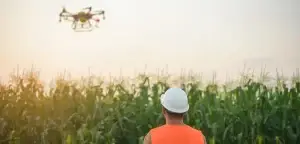
Measuring farm carbon
While there are various tools, there are three main options available to all UK farmers and growers who are keen to start carbon footprinting.
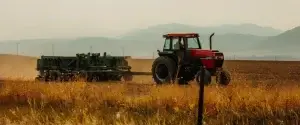
Fertiliser and agrochemicals
Contributions of herbicides, fungicides, insecticides, and growth regulators are estimated to comprise about 3% of GHG emissions in arable cropping.

Carbon sequestration and microbial soil activity
Recycling carbon rich by-products of rural, urban and industrial activities back to soil presents an opportunity to mitigate climate change.

CAP to ELMs: A new farm policy
One significant impact of Brexit was the opportunity for the four devolved nations to decide for themselves how to support farmers.
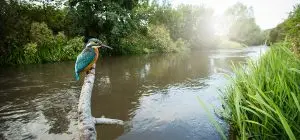
Biodiversity: A balance between farming & nature
Promoting a better balance between farming and Nature can only come when the evaluation of natural benefits can be quantified on an agreed basis.
Agricultural subsidy payments
Defra’s target is for at least 70% of farmers, covering at least 70% of farmland, to take up Sustainable Farming Incentive agreements.
Farm decarbonisation and diversification
A low carbon economy requires reducing food production reliance on fossil fuels as much as possible, as well as reducing other GHG emissions.
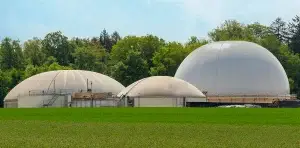
Anaerobic digestion for heat, electricity & fuels
A process that converts organic matter into biogas and digestate, which is core to the UK’s electricity and gas grids.

Low carbon heat technologies
Farms require heat for a range of purposes – grain and vegetable drying; produce chilling; controlled livestock environments.
Solar power and onshore wind
Many farms have invested in solar photovoltaics on roofs as well as ground-mounted systems and are providing a return on investment.
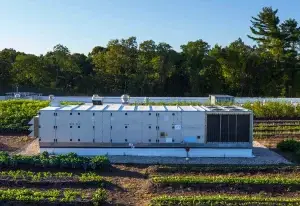
Energy storage technologies
Battery storage on farms may become even more important as the UK’s energy system decentralises and ‘Time of Use Tariffs’ become common.

Hydrogen
There is no ‘natural’ source of hydrogen, so it is produced in the UK most commonly by steam methane or auto thermal reforming.
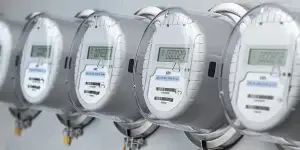
Digital technologies
Innovation is enabling farms to adjust electricity requirements and advantage of on-farm generated and stored power or cheaper off-peak tariffs.
Financing farm decarbonisation
Farms can reduce emissions and costs in one fell swoop. Distributed renewable energy is a new asset class with attractive opportunities.
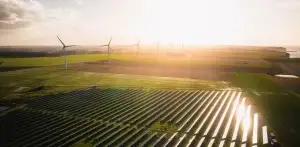
The energy landscape
It is important for the farm business to understand where and how much energy is being used and where reductions can be made.

Rural energy housing challenges
Nearly 4 million, mainly rural homes aren’t connected to the gas grid. Getting these onto low carbon heating is better than switching connected homes.

Decarbonising agricultural vehicles & fuels
If the rural economy is to play its part in the reduction of emissions, it needs to develop a pathway to replace diesel, with low and zero carbon fuels.
The net zero transition
It is essential to consider vehicle or infrastructure asset replacement cycles, given that many farm vehicles have working lives of 15 to 20 years.
Electric vehicle and gas fuel instrastructure costs
For a transition to succeed, accessible and reliable power supplies 24/7 will be a pre-requisite, either from the grid or from on-farm renewables.
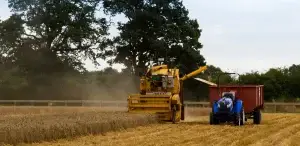
Autonomous systems on farms
This section covers potential transformation of farming operations based on system such as controlled traffic farming, autonomous vehicles and robotics.
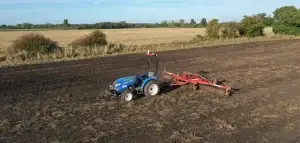
Automated field systems
Such techniques can increase yields by as much as 20%. However, most autonomous systems currently remain driver supervised.

Introduction to farm decarbonisation
We identify the impact upon agri-food supply chains and suggest how changes to traditional farming can enhance carbon-saving.
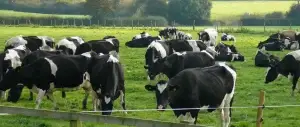
Milk and dairy production
The wider environmental impacts of a complex supply chain should be addressed, as the majority of emissions are linked to milk production
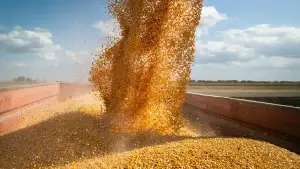
Cereal production
The arable supply chain should reflect the need to reduce emissions, driven by expectations of environmental and social governance.
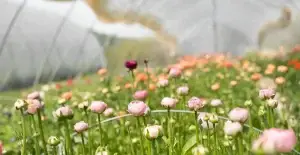
Horticulture production
There needs to be focus on produce that balances consumer need with reduced carbon emissions, less waste and increased efficiency.
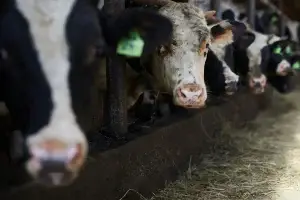
Intensive meat production
Emissions KPIs can be adopted across pig, poultry and beef farming, to balance economic viability with social and environmental responsibility.
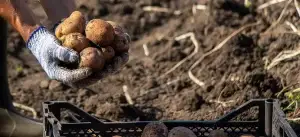
Potatoes
What marks potatoes out is the higher yield per hectare than other crops, which is a better picture of productivity and wider impacts.
Farm enterprises and novel crops
There are increasing opportunities for novel crops and more innovative supply systems to be set up on farms or at other locations.
Introduction
“A sustainable future for UK agriculture may only be achieved by balancing economic viability, environmental responsibility and social acceptability through the adoption of new and existing management practices.
Sustainability is not a peak that can be conquered without further improvements, as the tools, technologies and systems that were sustainable in the past or present may not be so in future. For example, science relating to livestock health, welfare and environmental impacts has resulted in considerable changes to the ways that livestock are housed, fed, bred and managed over thepast three decades.
A clear and immediate need exists, however, for the UK agriculture to demonstrate dedication to reducing negative environmentalimpacts, and to do so in an evidence-based manner that allows progress to be benchmarked and communicated. It is crucial to set appropriate targets, with greenhouse gas (GHG) emissions being the most urgent area of focus.”
Prof. Judith Capper, Harper Adams University
Primary policy issues
Support: ELM must include provisions to help England’s farmers curb energy emissions. In the ELM Transition, there is real concern over the potential impact of change from EU CAP support. The House of Commons Food and Rural Affairs Select Committee has issued a critical report (Oct 2021) that highlights concern over the impact of ELMS on farming livelihoods. The biggest UK agricultural policy change for 70 years, this will have a major impact on farm businesses as they navigate the transition from CAP while dealing with the climate emergency. The report finds ‘failure of communication’ is putting the most significant policy shake-up English farmers will have experienced at risk, at a time when they are also reducing emissions.
Whether it is emissions or policy reform Neil Parish MP (chairman of the Select Committee) commented, “This [ELMS] is the most fundamental change to agricultural funding in a generation and the impact of this huge change … cannot be underestimated … and must be … able to adapt to unforeseen circumstances. Government appears to be determined to plough ahead … without considering how this will impact on farmers’ livelihoods and the environment.”
Methane: Farmers recognise that methane and ammonia emissions are key concerns – the issues of gas potency and livestock emissions (from meat and milk production). There is a need for new measures to curb methane and ammonia output from fertilisers and ruminants and to cut overall GHG emissions. Future measures such as carbon taxation must not solely impact UK farmers. Policy should encourage better resource management and identify technical solutions, such as changing ruminant diets and methane capture to address consumer demand and the UK’s ‘Global Methane Pledge’ commitment. Action should include more support for research into measures to reduce emissions. This can include feed preparation solutions such as straw chopping to ease digestion to curb methane output in ruminants.
Subsidised Farm Diesel: prior to 2030, replacing fossil fuels on farms must be a priority. The ‘red diesel subsidy’ (currently 81% discount)152 is valued by farmers and critical to their margins – but prices have nearly doubled in 2 years. Replacing diesel is key to meeting the sector’s Net Zero targets. It may undermine UK farmers’ reputation if the red diesel subsidy is not phased out before 2030. Hence, farm vehicles must be included in the grant support for developing zero carbon fuels for non-road vehicles. Adoption-ready low carbon options (biomethane and HVO) will precede likely developments with hydrogen ICE power trains (e.g. JCB). There is a policy disconnect if farmers are paid to sequester carbon on one hand, but effectively subsidised for fossil fuel use on the other. Hence, a timetable is needed for ending the red diesel subsidy, using adoption-ready solutions.
Policy challenges
Farmers & rural businesses should be fully consulted on wider policy change as well. They must also be fully engaged in developing solutions that optimise their ability deliver results on farms and addressing the specific challenges (highlighted in the COP26 Briefing Document):
Soil & Landscape: improved soil management is needed to reverse the damage of recent decades, with changed cultivation methods and nature-friendly systems. Delivery of public benefits includes increased carbon storage in soil or trees and curbing emissions from excessive fertiliser use/soil disturbance. Farmers, individually and in groups can enhance local water course protection. Economic valuation of natural capital will help deliver decarbonisation, restore soil health and increase biodiversity.
Livestock Husbandry: Livestock farmers can reduce on-farm emissions and use locally produced low carbon fuels (e.g. biomethane). Support is needed for practical innovations that curb emissions from dairy production, including methane-reducing additives in feed and improved soil management, learning from practices being adopted on arable farms. Policy on farm emissions must account for the impact of grazing livestock in sequestering carbon to soils.
Land Management: Caring for land and nature, whilst growing food profitably is a complex task. Future policy and regulation should be co-designed with farmers to be as user-friendly as possible. Farmers responsible for 75% of the UK’s landmass must be fully motivated and rewarded for efforts to transition to nature friendly systems. The UK’s countryside is a living entity, and it cannot be managed from desks in Whitehall. Change and innovation risks being stifled by excessive red tape unless farmers can input into policy, including on the delivery of public goods.
Natural Resources: Rural transition means urgent improvement to UK soil and water quality, while boosting biodiversity. The priority for more rapid progress to rural decarbonisation is the need to correct damage to soil quality over many decades. Farmers need supportive policy to help them deliver improved soil management and biodiversity.
Farm Technology: The low carbon transition will require systems change and a technology shift, including novel fuels and vehicle designs, to curb emissions and end soil damage. Investment in robotics and digital technologies is needed to help drive change in farming methods.
Transition Advice: With many novel operations and technology options, farmers and land managers need access to sound, independent, cost-effective advice and information, plus on farm (i.e. working) demonstration sites. In addition to research funding, changes must include farm level funding for professional advisors, farm clusters, and nature friendly farming groups to offer guidance on future support mechanisms and ‘systems change’.
Food vs Carbon: Farmers will need help with mechanisms to increase production of food while being supported in efforts to reduce emissions. They can increase carbon capture in soils and trees. This must not involve the sacrifice of the best land from food production.
Rural Communities: There is a need to mobilise rural communities, particularly in remote and marginal areas, to allow them to play their part in the decarbonisation process. This must include access to extra funding for development of rural infrastructure to meet specific rural needs, especially in more isolated farming areas in Scotland and Wales.
onsumer Education: Changing consumer expectations are reflected in purchasing choices (e.g. less and/or high-quality meat) and their views on waste and recycling. Better environmental labelling on food (including carbon impact), supported by standardised carbon accounting and farm benchmarking, is essential.
Trade Agreements: Efforts to create new post Brexit trade agreements must not be done at the expense of farmers or rural communities. The Covid-19 pandemic has shown the importance of supply chains and risks of reliance on imported products, including food. Agreements must not threaten the supply of quality and sustainably produced foods from UK farms.
Agriculture faces a major challenge as it embraces decarbonisation. Farmers and land managers need the support not only of sector bodies and technology suppliers, but also the regulators and policy makers that shape how Government interacts with both farming and farmers.
A Multifunctional Land Use Framework (MLUF)
Adaptive multi-paddock grazing
Agricultural drones
Agricultural economics (agroeconomy)
Agriculture and Horticulture Development Board (AHDB)
Agrobiodiversity
Agroecology
Agroforestry
Agronomy
AI in farming
Anaerobic digestion
Anthelmintics
Aquaponics
Arbuscular mycorrhizal fungi (AMF)
Association for Renewable Energy and Clean Technology (REA)
Automated field systems
Autonomous dairy systems
Battery Electric Vehicle (BEV)
Battery energy storage (BES)
Biochar production
Biodiesel
Biodiversity
Biodiversity net gain
Bioenergy
Biogas
Biomass
Biomethane
Carbon audit
Carbon auditing
Carbon capture and storage (CCS)
Carbon capture farming
Carbon cycle farming
Carbon cycling
Carbon Dioxide (CO2)
Carbon dioxide equivalent (CO2e)
Carbon farming
Carbon footprint
Carbon sequestration
Carrying capacity
Catch crops
Central Association of Agricultural Valuers (CAAV)
Circular economy
Circular nutrient management
Circular systems
Clean Growth for Sustainable Intensification (CGSI)
Committee on climate change (CCC)
Companion cropping
Compost
Compressed natural gas (CNG)
Compression ignition CI
Conservation farming
Conservation tillage (CT)
Contour farming
Controlled traffic farming
Countryside Online
Countryside Stewardship Scheme (CS)
Cover crops
Crop residue incorporation
Crop technology
DEFRA - the Department for Environment, Food and Rural Affairs
Digital agriculture
Diverse swards
Dual fuel
Endemic diseases
Energy crops
Enhanced efficiency fertilisers (EEF)
Enteric fermentation
Environmental stress index (ESI)
Erosion management
Ethanol
Farm of the future
Farming automation
Farming genetics
Farming Rules for Water (FrFW)
Farming technology
Fatty acid methyl esters (FAME)
Feed-In Tariff (FIT)
Food and Agriculture Organisation of the United Nations (FAO)
Food sovereignty and security
Food, Farming and Countryside Commission (FFCC)
Fuel cell electric vehicle (FCEV)
Fuel Cell Range Extended Electric Vehicle (VC REEV)
Future of Rural Energy England (FREE)
Global navigation satellite systems (GNSS)
Global warming potential (GWP)
Grass less
Green Gas Support Scheme (GGSS)
Green manures
Greenhouse gas (GHG)
Ground limestone CaCO3
Groundswell Regenerative Agriculture Show
Hands-free hectare farm
Horticultural Trades Association (HTA)
Hydrated lime (Ca(OH)2)
Hydro electric power
Hydrogen internal combustion engine (H2ICE)
Hydrogen refuelling station (HRS)
Hydroponics
hydrotreated renewable diesel
Hydrotreated vegetable oil (HVO)
Innovation for agriculture
Institute for Agriculture and Horticulture (TIAH)
Integrated pest management IPM
Intergovernmental Panel on Climate Change (IPCC)
Internal combustion engines (ICE)
International Society of Precision Agriculture (ISPA)
Kilowatt hour (kWh)
Kilowatts (electric) KWe
Linking Environment and Farming (LEAF)
Liquefied natural gas (LNG)
Liquefied petroleum gas (LPG)
Machine vision
Manure management
Methane (CH4)
Minimum tillage
Mob grazing
Monogastric livestock
National Farmers Union (NFU)
National Federation of Young Farmers (NFYFC)
National Institute of Agricultural Botany (NIAB)
Natural capital
Natural resource management
Nature based solutions
Nitric oxide (NO)
Nitrogen (N) fixation
Nitrous oxide (N2)
No tillage
Non-inversion tillage
Novel proteins
Nutrient cycling
On farm heating and cooling
Organic farming
Organic fertilisers
Oxides of nitrogen (NOx)
Particulate matter (PM)
Permaculture
Precision farming and agriculture
Precision grazing
Quicklime (CaO)
Readily available nitrogen (RAN)
Regenerative agriculture
Renewable Heat Incentive (RHI)
Renewable Obligation Certificates (ROC’s)
Renewable transport fuel 0bligation (RTFO)
Resilient farming
Responsible animal management
Responsible dairy farming
Riparian buffer
Robotic farming
Royal Agricultural Society of England (RASE)
Ruminant livestock
Rural Development Programme of England (RDPE)
Scope 1, 2 and 3 emissions
Silvopasture
Slurry acidification
Smart farms
Soil erosion control
Soil health
Soil management
Soil organic carbon (SOC)
Soil organic matter (SOM)
Soil surface management
Solar photovoltaics (PV)
Solar power and energy
Strip tillage
Sustain. The Alliance for Better Food and Farming
Sustainable farming
Sustainable Farming Incentive (SFI)
Sustainable livestock management
Tank to wheel efficiency (TtW)
The Institute of Agricultural Management (IAgrM)
The Rural Community Energy Fund (RCEF)
Tractor Vaporising Oil (TVO)
Transforming Food Production Challenge (TFP)
Ultra low emission vehicle (ULEV)
Vertical farming
Waste management
Water management
Water protection and stewardship
Well to tank efficiency (WT)
A Multifunctional Land Use Framework (MLUF)
Adaptive multi-paddock grazing
Agricultural drones
Agricultural economics (agroeconomy)
Agriculture and Horticulture Development Board (AHDB)
Agrobiodiversity
Agroecology
Agroforestry
Agronomy
AI in farming
Anaerobic digestion
Anthelmintics
Aquaponics
Arbuscular mycorrhizal fungi (AMF)
Association for Renewable Energy and Clean Technology (REA)
Automated field systems
Autonomous dairy systems
Battery Electric Vehicle (BEV)
Battery energy storage (BES)
Biochar production
Biodiesel
Biodiversity
Biodiversity net gain
Bioenergy
Biogas
Biomass
Biomethane
Carbon audit
Carbon auditing
Carbon capture and storage (CCS)
Carbon capture farming
Carbon cycle farming
Carbon cycling
Carbon Dioxide (CO2)
Carbon dioxide equivalent (CO2e)
Carbon farming
Carbon footprint
Carbon sequestration
Carrying capacity
Catch crops
Central Association of Agricultural Valuers (CAAV)
Circular economy
Circular nutrient management
Circular systems
Clean Growth for Sustainable Intensification (CGSI)
Committee on climate change (CCC)
Companion cropping
Compost
Compressed natural gas (CNG)
Compression ignition CI
Conservation farming
Conservation tillage (CT)
Contour farming
Controlled traffic farming
Countryside Online
Countryside Stewardship Scheme (CS)
Cover crops
Crop residue incorporation
Crop technology
DEFRA - the Department for Environment, Food and Rural Affairs
Digital agriculture
Diverse swards
Dual fuel
Endemic diseases
Energy crops
Enhanced efficiency fertilisers (EEF)
Enteric fermentation
Environmental stress index (ESI)
Erosion management
Ethanol
Farm of the future
Farming automation
Farming genetics
Farming Rules for Water (FrFW)
Farming technology
Fatty acid methyl esters (FAME)
Feed-In Tariff (FIT)
Food and Agriculture Organisation of the United Nations (FAO)
Food sovereignty and security
Food, Farming and Countryside Commission (FFCC)
Fuel cell electric vehicle (FCEV)
Fuel Cell Range Extended Electric Vehicle (VC REEV)
Future of Rural Energy England (FREE)
Global navigation satellite systems (GNSS)
Global warming potential (GWP)
Grass less
Green Gas Support Scheme (GGSS)
Green manures
Greenhouse gas (GHG)
Ground limestone CaCO3
Groundswell Regenerative Agriculture Show
Hands-free hectare farm
Horticultural Trades Association (HTA)
Hydrated lime (Ca(OH)2)
Hydro electric power
Hydrogen internal combustion engine (H2ICE)
Hydrogen refuelling station (HRS)
Hydroponics
hydrotreated renewable diesel
Hydrotreated vegetable oil (HVO)
Innovation for agriculture
Institute for Agriculture and Horticulture (TIAH)
Integrated pest management IPM
Intergovernmental Panel on Climate Change (IPCC)
Internal combustion engines (ICE)
International Society of Precision Agriculture (ISPA)
Kilowatt hour (kWh)
Kilowatts (electric) KWe
Linking Environment and Farming (LEAF)
Liquefied natural gas (LNG)
Liquefied petroleum gas (LPG)
Machine vision
Manure management
Methane (CH4)
Minimum tillage
Mob grazing
Monogastric livestock
National Farmers Union (NFU)
National Federation of Young Farmers (NFYFC)
National Institute of Agricultural Botany (NIAB)
Natural capital
Natural resource management
Nature based solutions
Nitric oxide (NO)
Nitrogen (N) fixation
Nitrous oxide (N2)
No tillage
Non-inversion tillage
Novel proteins
Nutrient cycling
On farm heating and cooling
Organic farming
Organic fertilisers
Oxides of nitrogen (NOx)
Particulate matter (PM)
Permaculture
Precision farming and agriculture
Precision grazing
Quicklime (CaO)
Readily available nitrogen (RAN)
Regenerative agriculture
Renewable Heat Incentive (RHI)
Renewable Obligation Certificates (ROC’s)
Renewable transport fuel 0bligation (RTFO)
Resilient farming
Responsible animal management
Responsible dairy farming
Riparian buffer
Robotic farming
Royal Agricultural Society of England (RASE)
Ruminant livestock
Rural Development Programme of England (RDPE)
Scope 1, 2 and 3 emissions
Silvopasture
Slurry acidification
Smart farms
Soil erosion control
Soil health
Soil management
Soil organic carbon (SOC)
Soil organic matter (SOM)
Soil surface management
Solar photovoltaics (PV)
Solar power and energy
Strip tillage
Sustain. The Alliance for Better Food and Farming
Sustainable farming
Sustainable Farming Incentive (SFI)
Sustainable livestock management
Tank to wheel efficiency (TtW)
The Institute of Agricultural Management (IAgrM)
The Rural Community Energy Fund (RCEF)
Tractor Vaporising Oil (TVO)
Transforming Food Production Challenge (TFP)
Ultra low emission vehicle (ULEV)
Vertical farming
Waste management
Water management
Water protection and stewardship
Well to tank efficiency (WT)
Report authors
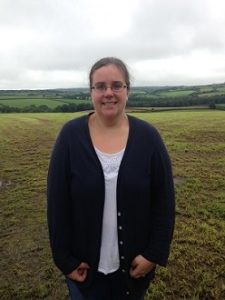
A passionate advocate for highlighting the economic benefits of sustainable farming, Becky currently divides her time between working for FCT and working for Duchy College Rural Business School as a technical specialist in resource management

Matthew is an analyst at Standard & Poor (S&P) where he focuses on supporting organisations with actionable insights across the agricultural value chain.
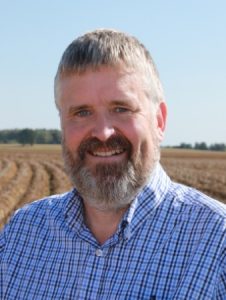
Managing Editor of World Potato Markets, an essential weekly global briefing on potato prices, production and trade. He has more than 25 years of analysing agricultural markets across the world. Cedric is the Vice Chairman of LEAF – Linking Environment And Farming – a charity which increases environmental standards on farms.
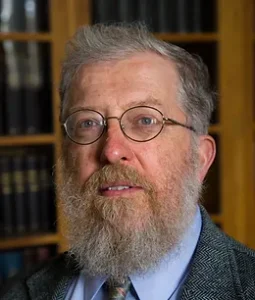
Prof. Lowenberg-DeBoer focuses on the economics of agricultural technology. He has published 85 articles in refereed journals, two books and chapters in seven other books. He currently serves as president of the International Society of Precision Agriculture (ISPA) and co-editor of the journal Precision Agriculture.
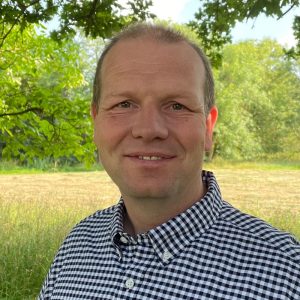
Martin is a farmer and contractor in South Cambridgeshire, growing mainly arable crops on his family farm and rented land. Martin is the NFFN Chief Executive Officer and hopes to see the network grow with like-minded farmers and land managers.

Prof Jonathan Leake focuses on sustainable soil management and soil resources, regenerative agriculture. He teaches sustainable agriculture at the University of Sheffield.

Vicki Hird MSc is a researcher, campaigner and author of 'Rebugging the Planet' & 'Perfectly Safe to Eat?'

Frank Gordon profile in here

Professor Jennifer Dungait is a member of Council as Editor in Chief of the European Journal of Soil Science (since 2019).
She is an Honorary Professor of Soil Science at the University of Exeter and Honorary Professor of Soil Biogeochemistry at Scotland’s Rural College (SRUC), Edinburgh.

Dr Nigel Davies is Managing Director of Maltdoctor, a sustainability consultancy specialising in food and beverages. Nigel received his PhD from the University of Wales and a Diploma in Brewing with distinction from the Institute of Brewing & Distilling. He is an R&D representative for Maltsters Association of Great Britain, chair of the Red Tractor farm assurance scheme technical advisory committee, and a Fellow of the Institute of Brewing and Distilling.